
Digital Photography in the AI Era: Threat, Hype, or Our Biggest Creative Upgrade Yet?
Scroll through any photography forum today and you’ll see the same mix of curiosity, excitement, and quiet panic. Is AI about to replace photographers? Are “real” photos still relevant when anyone can type a prompt and get a perfect sunset or a flawless portrait? Or is this just another big shift, like the move from film to digital, that we’ll eventually take for granted?
If you’re feeling a bit torn, you’re not alone. On one hand, AI is now baked into our cameras, our phones, Lightroom, and Photoshop. On the other hand, the core of photography still feels stubbornly human: seeing, feeling, choosing a moment, telling a story.
In this article, let’s talk honestly about what has changed, what hasn’t, and how you can thrive as a photographer in the AI era instead of feeling like you’re constantly trying to catch up.
How AI Quietly Took Over Your Camera Bag
The funny thing about AI in photography is that most of us have been using it for years without thinking about it. Autofocus that locks onto eyes, phones that brighten faces in backlit scenes, noise reduction that magically cleans up high‑ISO files – all of that is driven by machine learning.
Here are a few places AI already lives in your everyday workflow:
In‑camera intelligence
Modern cameras and smartphones use scene recognition, face and eye detection, subject tracking, and smart exposure algorithms to get you closer to a usable image straight out of camera. That “it just nails focus” feeling? That’s AI doing its quiet work in the background.Lightroom’s smart helpers
Tools like AI‑powered Auto Adjust, subject and sky masking, noise reduction, and Generative Remove can analyze your photo and apply targeted corrections in seconds. What used to take a series of brushes and local adjustments can now often be done with a single click and a small tweak.Photoshop’s magic tricks
Content‑aware tools, generative fill, and advanced selections let you remove distractions, extend backgrounds, or completely re‑imagine parts of an image with unnerving precision. Whether you consider that “photography” or “digital art” is its own debate, but the capabilities are already here.
The important point: AI isn’t just something happening out there to other people; it’s already embedded in the tools we rely on every day. The question is not whether to use AI, but how intentionally you want to use it.
The New Reality: Everyone Can Get a “Good” Image
One of the real shifts AI brings is that “technically good” images are no longer rare. Between smart cameras, powerful default presets, and one‑click fixes, it’s easier than ever for beginners to produce photos that look clean, sharp, and well‑exposed.
That might feel threatening if your identity as a photographer has been tied mainly to technical mastery. But it also opens up an opportunity.
If the baseline has risen, the way to stand out isn’t by having a slightly sharper image or slightly smoother skin. It’s by leaning into the things AI can’t fake as easily:
Your eye for moments and emotion
Your taste in color, contrast, and mood
Your understanding of people, places, and stories
Your consistency and recognizable visual style
Think of AI as raising the floor, not the ceiling. It takes care of a lot of the grunt work but still needs a human vision to decide where to go.
Lightroom, Photoshop and AI: From Time‑Saver to Style Amplifier
Let’s get practical. How do AI tools in Lightroom and Photoshop actually help you as a working or aspiring photographer?
Faster first pass, more time for the important decisions
Culling used to be one of the most painful parts of a big shoot. New AI‑assisted culling features can help you filter by sharpness, focus, and expressions, so you’re not zooming into 200 near‑identical frames just to find the few keepers. Similarly, AI‑driven Auto Adjust in Lightroom gives you a solid starting point for exposure and tone, especially for large batches.
Instead of spending hours doing mechanical tasks, you’re spending more time on global mood, selective edits, and storytelling – the things that actually matter to your clients and your portfolio.
Smarter local adjustments
AI‑based masks that automatically select people, skies, backgrounds, or specific objects are more than just neat tricks. They let you:
Shape light in a more cinematic way
Guide the viewer’s eye to the subject
Fix tricky mixed lighting situations
Preserve skin tones while pushing color elsewhere
Under the hood, AI is just helping you target your adjustments more precisely and quickly. The creative decisions are still yours.
Style, presets, and “you” in the age of AI
There’s a growing category of AI tools that learn from your editing style and apply it automatically to new photos. They analyze your choices for exposure, color balance, contrast, and more, and turn that into smart presets that adapt to each image.
At first glance, this looks like it’s replacing you as an editor. In practice, it usually does something more subtle: it amplifies your signature look and helps you deliver it more consistently, especially on large jobs like weddings and events.
If you already use Lightroom presets and Photoshop actions to speed up your workflow and keep your style consistent, AI is basically that idea on steroids. It doesn’t invent your taste; it learns from it.
The Line Between Editing and Manipulation Just Got Blurry
For all its benefits, AI also raises some uncomfortable questions, especially around realism and ethics.
When you can:
Replace an entire sky in seconds
Remove people from a busy street
“Move” a subject to a different location
Generate elements that were never there
…it gets harder for viewers to trust what they’re seeing. This is particularly serious in photojournalism and documentary work, where AI‑powered manipulation can undermine credibility and spread misinformation.
Even outside news photography, it’s worth thinking about where your own line is. Consider:
Are you okay with removing temporary distractions (trash, poles, random strangers), but not changing the overall reality of a scene?
In portrait work, how far will you go with skin smoothing, body shaping, or background changes before it no longer feels honest?
Do you want to be transparent with clients when a final image is heavily composited or AI‑assisted?
There is no single “correct” answer, but in an AI‑heavy world, having a clear personal standard – and communicating it – becomes part of your brand.
What AI Still Can’t Do For You
With all the talk about automation, it’s easy to forget how much of photography still can’t be outsourced to an algorithm.
AI cannot:
Show up early, scout a location, and sense where the best light will be in an hour.
Read a nervous client’s body language and make them feel comfortable in front of the lens.
Decide that the imperfect, slightly blurry shot where the couple bursts into laughter is more meaningful than the technically perfect posed one.
Understand your relationship with your subject, your culture, your memories, and how all of that shapes what you notice and care about.
Those things still come down to you, your presence, and your choices.
If you’re feeling overwhelmed by AI, it can be grounding to spend time shooting with as little automation as possible – even if it’s just a personal project. Manual focus, simple natural light, minimal post‑processing. It’s a reminder that at the heart of all of this is still a person noticing something and pressing the shutter.
How to Stay Relevant as a Photographer in the AI Era
If you’re worried about the future, the answer is not to ignore AI and hope it goes away. The photographers who will do well are usually the ones who learn the new tools but don’t lose themselves in the process.
A few practical ways to move forward:
Learn the tools with intention
Pick one or two AI‑based features in Lightroom or Photoshop (for example, AI masking and Generative Remove) and integrate them into your workflow, rather than trying every shiny new thing at once. Ask: “Does this save me time or help me express my vision better?”Double down on your style
Use presets, profiles, and personal projects to sharpen your sense of what “your” image looks like. AI can speed up application, but it can’t decide the mood, colors, and contrast that feel like you.Focus on what can’t be commoditized
Build strong client relationships, tell stories that matter, and create bodies of work with a clear point of view. Those are much harder to replace than a single technically polished frame.Be transparent when it matters
Especially in commercial, editorial, or documentary work, clarity about how much an image has been altered builds trust in a world where viewers are increasingly skeptical.Keep playing
Some of the most interesting work right now happens where photography and AI‑generated imagery intersect, whether through compositing, mixed workflows, or experimental projects. You don’t have to adopt all of it into your client work, but treating AI as a playground, not just a threat, can spark fresh ideas.
A New Kind of “Digital” Photographer
When digital cameras first became mainstream, film photographers worried about losing the craft. Over time, many realized that the tools had changed, but the fundamentals – light, composition, timing, connection – were still the same. The best work still came from people who were curious, patient, and willing to evolve.
AI is another wave of change, and it’s a big one. But it doesn’t erase what makes your photography yours. It just changes the mix of skills that matter most.
You might spend less time painstakingly cloning out dust spots and more time refining color palettes. You might rely on AI to batch‑edit 500 images, then spend your real energy on the 20 that will define the story of the day. You might experiment with generative tools for concept work, while keeping your client galleries grounded in captured moments.
In the end, the photographers who will stand out in the AI era are not the ones who pretend nothing has changed, or the ones who let the software drive everything. They are the ones who understand their tools deeply, know themselves even more deeply, and use all of it in service of images that actually make people feel something.
That part of photography is still very human territory – and it’s not going away anytime soon.


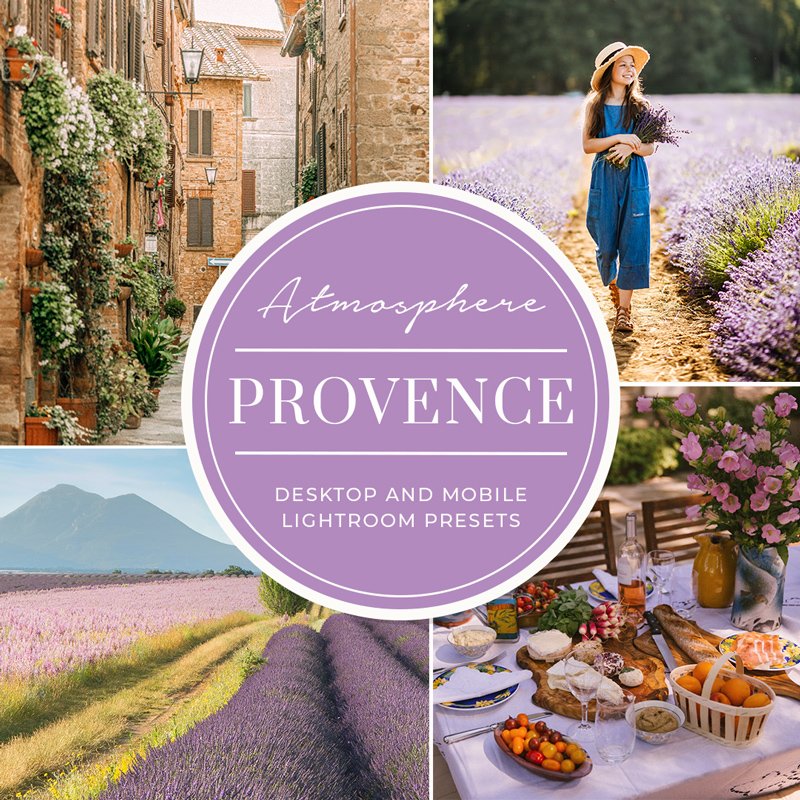





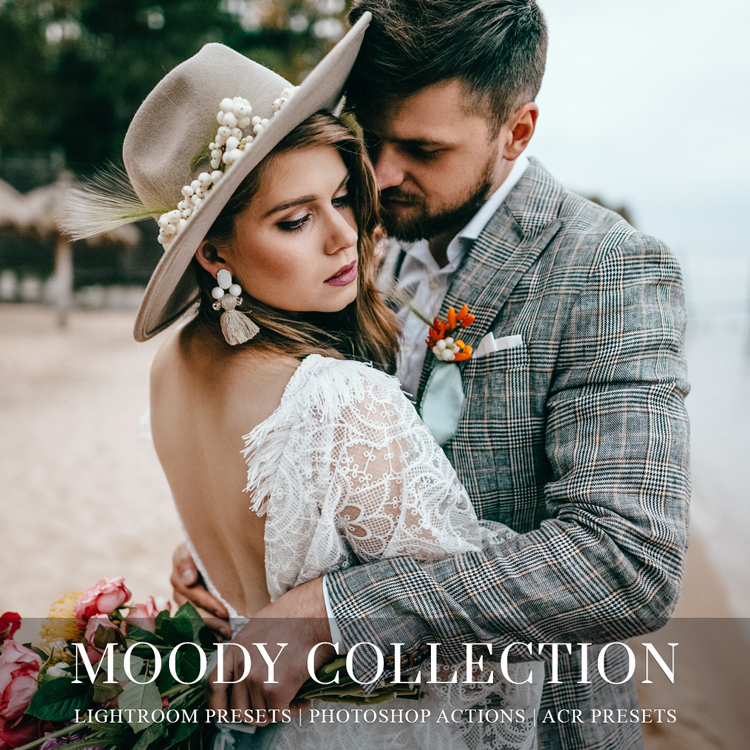


Get Free Presets for Lightroom created by top photographers to update your presets collection, save down on editing time, and open up new artistic horizons.

Introducing the Idyllic Santorini Lightroom Presets Collection, created for both mobile and desktop versions of Lightroom. Inspired by the timeless beauty of Santorini, this collection captures the feeling of returning home from an unforgettable journey with a camera full of memories. Whitewashed villages glowing in the afternoon sun, charming streets adorned with bougainvillea, leisurely breakfasts overlooking the sea, and soft pink sunsets melting into the horizon.
BUY NOW